
Navigating Digital Security in the Crypto Space
Meta Description: Explore essential crypto security practices, private key management, and digital asset protection strategies to stay safe in the decentralized ecosystem.
As decentralized applications grow, users must take greater responsibility for protecting their digital identities and crypto assets. Understanding private key management, security tools, and common threats is essential to preventing irreversible losses and navigating the blockchain ecosystem safely.
The Importance of Self-Custody
Taking control of your own private keys is the fundamental principle of operating safely within decentralized environments. It ensures that no third party can restrict your access to your own digital property.
Understanding Private and Public Keys
At the core of digital identity are cryptographic keys, functioning as your address and password combined. While your public key can be shared freely to receive transactions, the private key must be guarded with absolute secrecy. Many newcomers make the mistake of storing these keys in vulnerable locations like unencrypted text files or cloud storage. A better approach involves using hardware wallets or secure, offline environments to manage access.
Understanding this asymmetric cryptography is the first step toward true digital autonomy. Operating within the Interlink Network or similar decentralized frameworks requires a solid grasp of these concepts. When a user holds their own keys, they effectively act as their own bank, immune to arbitrary account freezes or institutional insolvency. However, this immense power comes with the uncompromising responsibility of ensuring those keys are never exposed to internet-connected devices inappropriately.
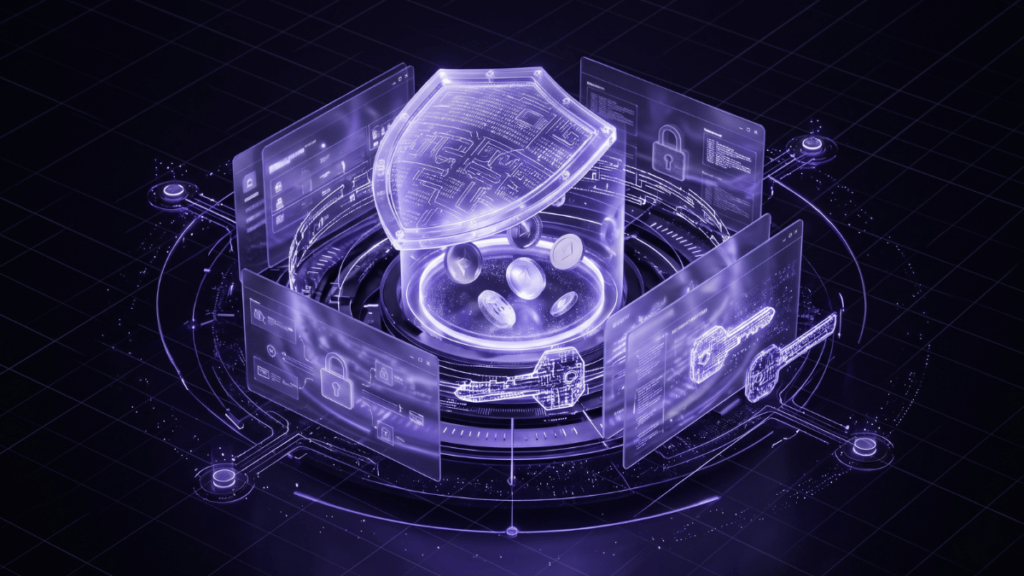
Interlink brand shield icon representing digital security and account protection.
The Risks of Exchange Storage
Leaving assets on centralized exchanges introduces a layer of counterparty risk that contradicts the ethos of decentralization. If the platform experiences a breach or faces regulatory action, users can find their accounts frozen indefinitely. While exchanges offer convenience for trading, they are not designed for long-term storage.
Experienced users typically move their holdings to personal wallets immediately after completing their transactions, ensuring they retain full ownership at all times. The history of the industry is fraught with examples of massive centralized entities failing unexpectedly, taking billions of dollars of user funds with them. Therefore, the old adage “not your keys, not your coins” remains the most critical rule of thumb for anyone navigating this space. Transitioning to a self-custody model might seem daunting initially, but the peace of mind it provides far outweighs the temporary convenience of centralized platforms.
Implementing Robust Access Controls
Securing your accounts requires a multi-layered approach that goes beyond simply choosing a strong password. By implementing advanced authentication methods, users create overlapping defensive barriers against unauthorized access.
Two-Factor Authentication Protocols
Relying solely on a password is no longer sufficient in an era of automated credential-stuffing attacks. Two-factor authentication (2FA) adds a critical layer of defense, typically requiring a time-sensitive code from a mobile device. However, not all 2FA methods are equal; SMS-based authentication is notoriously vulnerable to SIM-swapping attacks. Utilizing dedicated authenticator apps or physical hardware keys provides a significantly higher level of security for sensitive accounts. When an attacker manages to compromise a password, the hardware-based 2FA serves as a physical roadblock that is nearly impossible to bypass remotely. Establishing these protocols across all linked email addresses, exchange accounts, and cloud storage providers is essential for a comprehensive security posture. The few extra seconds it takes to authenticate a login attempt are a small price to pay for securing your digital livelihood.

User securing their Interlink Network account using a mobile authenticator app.
Practical Steps for Account Safety
Establishing solid security habits from day one is vital for navigating complex platforms safely. Users should regularly review authorized devices, update software, and revoke access for any unfamiliar active sessions to maintain strict access controls. For specific, actionable advice on securing a setup, reading comprehensive guides like How To Protect Your InterLink Account & Digital Identity is highly recommended.
These resources provide step-by-step instructions tailored to modern platform architectures, helping users lock down their digital footprint effectively. Regularly auditing account settings ensures that no backdoor access remains open after a third-party application integration. By proactively managing digital permissions, individuals can significantly reduce their attack surface and navigate the decentralized web with confidence. Continual education is the best defense against rapidly evolving cyber threats.
Recognizing and Avoiding Phishing Threats
Social engineering remains the most common and effective vector for compromising digital accounts in the digital asset industry. Attackers constantly refine their tactics to trick users into willingly handing over their sensitive credentials.
Identifying Fraudulent Communications
Phishing attempts often masquerade as urgent communications from official support teams or administrative staff. They might claim that an account requires immediate verification or that a security breach has occurred. The defining characteristic of these scams is the inclusion of a malicious link designed to mimic a legitimate login page.
Developing a skeptical mindset and always verifying the sender’s address can prevent the majority of these attacks from succeeding. Attackers have become incredibly adept at cloning official websites, making visual identification alone unreliable. Users must train themselves to manually type URLs for critical services rather than clicking on links provided in unsolicited emails or direct messages. Vigilance in this area is paramount, as a single momentary lapse in judgment can result in a total loss of funds.

A computer screen showing the Interlink brand security checklist for avoiding phishing.
Verifying Official Channels
Before entering any sensitive information, users must verify that they are interacting with official domains and smart contracts. Bookmarking legitimate URLs and cross-referencing information across multiple official social media channels is a simple but effective strategy. Additionally, reputable platforms will never ask users to input their seed phrases or private keys into a web form.
Community moderators will rarely message a user first, especially to offer unsolicited technical support. By understanding the standard operating procedures of decentralized platforms, users can easily spot the behavioral anomalies that characterize a scam attempt. Trusting the system is fine, but verifying the interaction is an absolute necessity in a trustless environment.
Conclusion
Digital security requires continuous vigilance as threats evolve. By practicing self-custody, using multi-factor authentication, and avoiding phishing attacks, users can better protect their digital assets. Staying informed and maintaining strong security habits remain essential for long-term protection in the decentralized economy.